
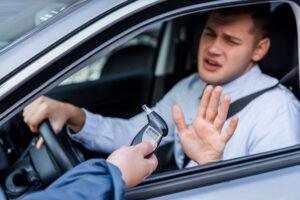
Can you refuse a breath test in Georgia? Yes, but the consequences depend on which test you refuse. A roadside handheld breath test is generally voluntary, while refusing a state–administered test after arrest can trigger a license suspension.
Georgia treats roadside screening and post-arrest chemical testing differently. After an arrest, implied consent rules allow an officer to request an official chemical test, and refusing can start an administrative license suspension process.
Teague Law defends drivers facing DUI allegations throughout Georgia. An Ellijay drunk driving accident lawyer can review the refusal, testing request, and DDS deadlines and explain the options available for protecting your license and defending the charge.
What Breath Tests Can You Refuse in Georgia?
For the question “can you refuse a breath test in Georgia,” both a roadside handheld test and a breath test requested after arrest can be refused. However, the consequences are different.
The portable roadside breath test is voluntary. Saying no does not trigger an immediate license suspension. You may also refuse the official breath test requested after arrest, but that refusal can lead to a separate administrative license suspension.
Roadside Tests and Tests After Arrest
The roadside device helps an officer decide whether to make an arrest. The test after arrest is used to collect evidence for the DUI case.
Even if you take the roadside test, you may still be arrested based on your driving and the officer’s observations. If you refuse, the officer may still make an arrest based on the other evidence.
License Consequences After a Refusal
If you refuse the state-administered chemical test requested after arrest, the officer can report the refusal to Georgia DDS, which can result in a minimum one-year license suspension. You generally have 30 days to request an administrative hearing. Eligibility for an ignition interlock limited driving permit depends on the circumstances and applicable Georgia law.
Acting quickly can help you protect your driving privileges. Teague Law can review the refusal paperwork and the deadlines that apply.
What Are the License Consequences for Refusing a DUI Breath Test?
Refusing the official breath test after arrest can lead to a proposed one-year license suspension. This license case is separate from the criminal DUI case. The suspension may still apply even if the DUI charge is later reduced or dismissed. You usually have 30 days from the arrest to act.
You generally have 30 days to request a DDS administrative hearing to challenge the suspension. Depending on your circumstances and eligibility under Georgia law, an ignition interlock limited driving permit may also be available.
Your 30-day options commonly include:
- Requesting a DDS administrative hearing to challenge the refusal-based suspension.
- Asking about an ignition interlock limited driving permit if you may be eligible under Georgia law.
- Consulting counsel immediately so your chosen option is filed correctly and on time.
- Gathering documents such as the officer’s DDS form and your arrest paperwork.
Acting within the 30-day window matters because missing it can limit the ways you can challenge or address the suspension.
How Does Georgia’s Implied Consent Law Affect Breath Testing?
After a DUI arrest, the implied consent process may involve several steps:
- The officer reads the applicable implied consent notice.
- The officer asks you to submit to a specific chemical test.
- You decide whether to submit to or refuse the requested test.
- A refusal may begin the administrative suspension process.
The exact steps and words used by the officer can matter if the request or refusal is challenged later. Teague Law can review the implied consent notice and what happened when the officer asked for the test.
You can refuse a breath test, but refusing the official test after arrest can lead to license penalties. If you take the test, the state may try to use the result in court. Your lawyer may still challenge that evidence. If you refuse, the officer can keep investigating, and the license process can continue.
Click to contact us today
Can Police Get a Warrant for Blood if You Refuse a Breath Test?
If the question is “can you refuse a breath test in Georgia” and avoid all chemical testing, the answer may be no. An officer may seek a warrant for a blood draw when the legal requirements for obtaining the warrant are met. A judge may approve the warrant quickly, even at night or on weekends. The officer may then take you to have blood drawn.
If a judge approves a valid warrant, officers can get a blood sample even if you refused breath testing. The state may try to use the blood result in the DUI case. Refusing a breath test does not always stop chemical testing. Teague Law can review the warrant and how the blood draw was handled.
Complete a Free Case Evaluation form now
How Could Refusing a Breath Test in Georgia Impact Your DUI Case?
Refusing a breath test in Georgia can affect the evidence in your DUI case. Under Georgia Supreme Court precedent, the state generally may not use a defendant’s refusal to submit to a breath test as evidence of guilt at a criminal trial. Georgia law treats refusals of blood or urine testing differently, and those refusals may be admissible under the circumstances. However, prosecutors may still use other evidence. This can include officer observations, driving behavior, field tests, and chemical tests obtained later.
A breath-refusal defense may require reviewing several parts of the encounter:
- The legal basis for the traffic stop.
- The facts supporting the arrest decision.
- The implied consent advisement given by the officer.
- Video footage and the circumstances surrounding the refusal.
- Whether later chemical testing was handled properly.
Every case is different. A problem with one step may give your lawyer a reason to challenge some of the evidence.
Without a breath result, the state may still argue that alcohol or drugs made you less safe to drive. If police get a blood sample through a warrant, prosecutors may also use that result when allowed by law. A lawyer can review the stop, arrest, and testing steps for problems that may affect your defense.
Talk to a Georgia DUI Lawyer About a Breath Test Refusal
If you already refused a breath test in Georgia, you may face a fast DDS deadline along with the DUI case. You generally have 30 days to request a DDS administrative hearing, and an ignition interlock limited driving permit may be available if you meet the applicable eligibility requirements. The best option depends on your license and what happened during the stop. Teague Law can review your paperwork, the implied consent issue, and the choices available to protect your ability to drive.
Our team handles DUI cases involving breath test refusals, blood warrants, and field sobriety tests. We can explain your deadlines and the next steps in your defense. Contact us to discuss your case.
Call or text (706) 276-3636 or complete a form